




Traditional Mexican toys: history, types and where to find them in Mexico City
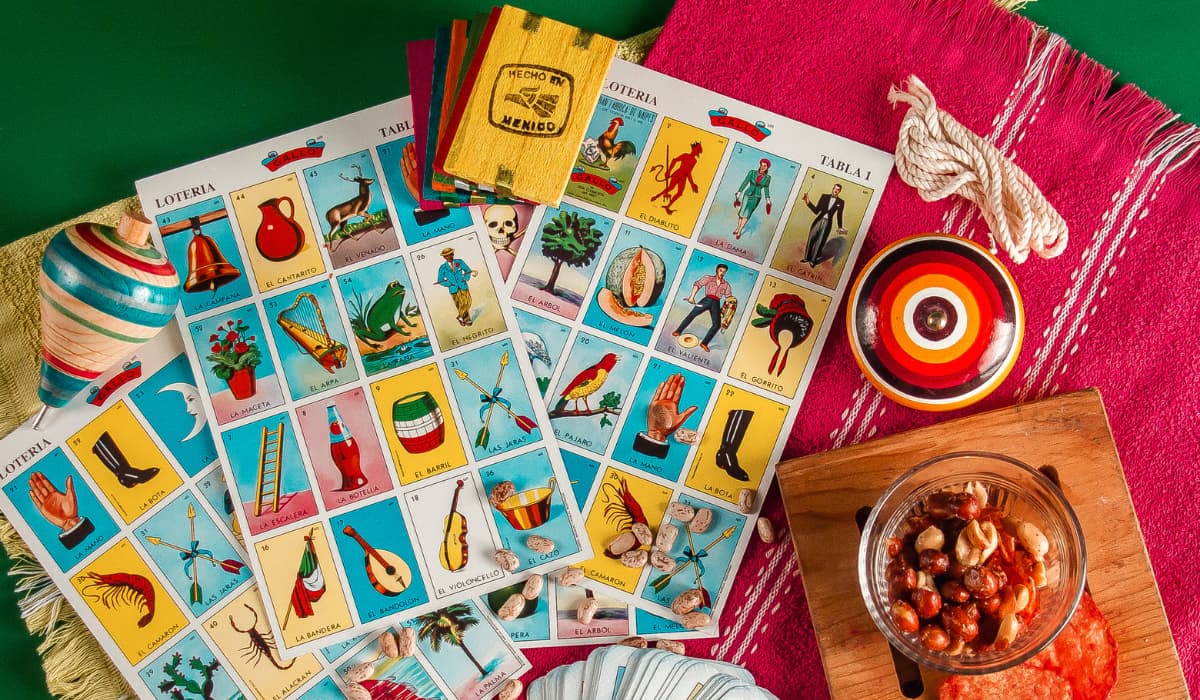
Traditional Mexican toys are a fundamental part of Mexico's popular culture and reflect the creativity, imagination, and skill of the artisans who craft them. Baleros, trompos (spinning tops), yoyos, pirinolas (spinning pegs), loterías, rag dolls, marbles, kites, and wooden toys have accompanied generations and continue to be present in markets, fairs, homes, and celebrations.
For visitors to Mexico City, getting to know these toys offers a unique way to connect with the country's culture. Beyond being playthings, many of these pieces embody artisanal techniques, materials, colors, and forms of expression passed down through generations.
If you want to discover them during a trip to CDMX, there are markets, fairs, and craft shops where you can find them. One of the most traditional spots is the La Ciudadela Crafts Market, located downtown and roughly a 7-minute walk from KALI Ciudadela.
In this guide, you will learn what traditional Mexican toys are, some of the most representative ones, the materials used to make them, and where to look for them during a visit to Mexico City.
What Are Traditional Mexican Toys?
Traditional Mexican toys are play objects created for fun and entertainment that form part of the customs and folk art expressions of Mexico.
While some have historical precedents or links to traditions in other parts of the world, they developed their own distinct forms, materials, and styles in Mexico. Many are handcrafted, showing unique variations depending on the region and the artisan's individual technique.
Materials used to make them include wood, clay, cardboard, paper, fabric, tinplate, and various plant fibers.
That is why traditional Mexican toys are not just children's playthings; they are integral to the country's collective memory and folk art heritage.
What Is the History of Traditional Mexican Toys?
The history of traditional Mexican toys is closely tied to craftsmanship, locally available materials, and play customs handed down from generation to generation.
Before mass-produced industrial toys became common, many play objects were crafted by artisans or built within families using accessible materials like wood, fabric, clay, paper, and plant fibers.
Over time, toys like the trompo, balero, pirinola, rag dolls, and various wooden figures became fixtures at markets, fairs, and community celebrations.
Not all of these toys originated in Mexico. Some have roots in other cultures or exist worldwide. However, as they were integrated into Mexican traditions, they acquired regional colors, decorations, materials, and crafting methods unique to different areas of the country.
Their connection to folk art is clear in their bright colors, shapes, and motifs. Animals, local figures, traditional clothing, and everyday scenes frequently appear on these artisanal pieces.
Even though electronic and digital toys dominate daily life today, traditional Mexican toys remain widely available in markets and craft shops. They are also popular as travel souvenirs, decorative accents, and collector's items.
What Are the Most Popular Traditional Mexican Toys?
Mexico boasts a rich variety of traditional toys and games. Some test coordination and precision, others are meant for group play, and some spark imagination and storytelling.
Among the most iconic are:
The Balero (Cup-and-Ball)
The balero is one of the best-known traditional Mexican toys. Usually crafted from wood, it consists of a cup or hollow piece tied to a handle by a string.
The goal is to swing the weighted piece and land it onto the handle with a swift, precise motion. Though simple in concept, mastering it takes practice, coordination, and patience.
Because of this challenge, the balero remains a classic test of manual dexterity.
The Trompo (Spinning Top)
The trompo is another timeless classic among traditional Mexican toys.
Typically made of wood, it has a pear-shaped body with a metallic tip. To spin it, you wrap a string around its body and throw it down onto the ground while pulling back the string.
Once you master the basic throw, you can perform various tricks and maneuvers. Handcrafted tops come in various sizes, materials, and painted designs.
The Yo-Yo
The yo-yo consists of two disks connected by an axle with a string wound around it. Holding the string loop on a finger and using rhythmic hand motions, you can make the toy ascend and descend continuously.
While modern versions exist, hand-painted wooden yo-yos remain an essential part of Mexican toy-making tradition.
The Pirinola (Spinning Peg)
The pirinola, also known as perinola, is a small wooden spinning top with flat sides that is spun on a flat surface.
Each face bears instructions telling players what action to take, making it a popular group game.
Its mechanics are simple, yet it can bring several people together around a table, turning a small piece of wood into a lively social game.
Lotería Mexicana
Although technically a board game rather than an individual toy, lotería mexicana is one of Mexico's most recognizable pastime traditions.
The game uses a deck of illustrated cards and boards featuring various images. Players match called cards to the images on their boards until completing a required pattern.
Iconic illustrations like El Catrín, La Sirena, El Sol, or La Muerte are deeply ingrained in Mexican visual culture, appearing on souvenirs, decorative art, and graphic design worldwide.
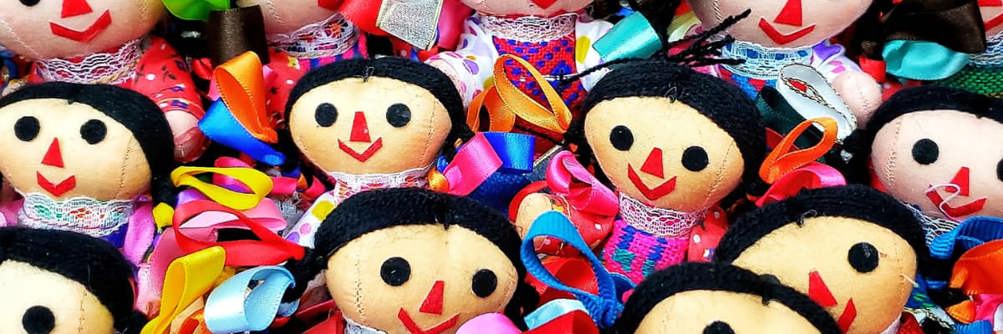
Rag Dolls (Muñecas de Trapo)
Mexican rag dolls are among the most celebrated traditional toys.
Most famous are the María dolls, closely associated with Mazahua communities from the State of Mexico and Michoacán. Their colorful dresses, braided ribbon hair, and distinct features reflect traditional Indigenous garments and heritage.
Over time, these dolls have become a national symbol of Mexican folk craftsmanship.
If you plan to buy one as a keepsake, it is worth asking about its origin and artisan crafting process.
Wooden Boxers
Remember those classic small wooden boxers that look like they're sparring?
These articulated figures use simple mechanics to move their arms and simulate a match. Similar mechanical toys depict animals, characters, vehicles, and everyday scenes.
These pieces illustrate how simple mechanical ideas can create engaging, story-building toys.
The Finger Trap (Atrapanovios)
The atrapanovios, also known as a finger trap, is a small woven tubular cylinder traditionally made from plant fibers.
When you insert fingers into both ends and try to pull them out quickly, the woven mesh tightens and traps your fingers. To release them, you must push your fingers inward to relax the tension.
It is a simple example of how material structure itself creates the game.
Marbles (Canicas)
Marbles have accompanied generations of children across Mexico.
These small spheres—made from glass, clay, or other materials—are used in various games requiring aim, precision, and coordination.
Game rules vary widely by region and group, proving how simple objects can inspire endless entertainment.
Matatena (Jacks)
Matatena is a traditional game that demands coordination and precision.
Played with small pieces picked up in rhythmic sequence between ball bounces, it has been a fun challenge to test speed and agility for generations.
The Pinwheel (Rehilete)
The rehilete is one of the simplest and most colorful traditional toys.
Its blades spin freely in the wind or as a child runs holding it. Thanks to their vibrant colors and movement, they are a common sight at local fairs, markets, and outdoor celebrations.
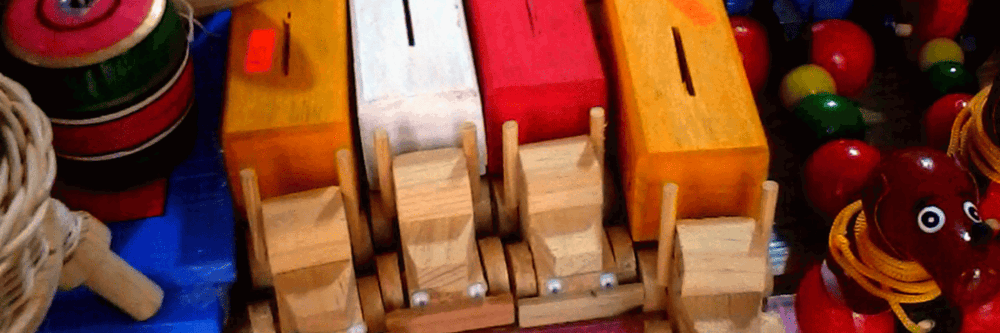
The Matraca (Rattle Noise Maker)
The matraca is a wooden toy-instrument that produces a loud, characteristic sound when spun around its handle.
Besides being a popular toy, matracas are famous for generating festive noise at civic celebrations, holiday parades, and sports events.
Kites (Papalotes)
Papalotes are another classic Mexican outdoor tradition.
Traditionally built with light wooden rods and paper, they harness the wind to fly high. Controlling them takes practice and makes for a wonderful outdoor activity.
Stick Horses and Wooden Toys
Wooden stick horses, toy cars, trains, airplanes, and animal figures are staples of Mexican toy-making.
Many represent miniature versions of the world around us: transport, animals, figures, and daily objects.
This reflection of real life encourages imagination and creative storytelling through play.
What Materials Are Used to Make Traditional Mexican Toys?
Traditional Mexican toys are crafted from a variety of materials depending on the toy type and regional craft specialty.
Common materials include:
- Wood: spinning tops, baleros, yo-yos, pirinolas, matracas, mechanical boxers, and carved figures.
- Fabric: dolls and soft characters.
- Cardboard and paper: lotería games, board games, kites, and figures.
- Palm and plant fibers: finger traps, pinwheels, and woven items.
- Clay: small figures and miniatures.
- Tinplate: toy trains, vehicles, whistles, and noise makers.
When a piece is handmade, minor variations in color, dimensions, and painted finishes are normal. These unique details reflect the authentic nature of hand craftsmanship.
Why Are Traditional Mexican Toys Important?
Traditional Mexican toys are important because they preserve living expressions of Mexican folk art, craftsmanship, and culture.
They also serve as a bridge passing down traditions and cultural memory across generations. A child learning to play with a trompo, a balero, or a lotería set isn't just learning game rules—they are connecting with their country's collective memory.
Moreover, many of these toys foster physical dexterity, creativity, strategic thinking, and social interaction, making play an enriching skill-building experience.
Today, these toys are appreciated not only as playthings, but also as folk art, memorable travel souvenirs, decorative home accents, and collector pieces.
Where to Find Traditional Mexican Toys in CDMX?
If you want to discover these toys during your trip to Mexico City, you can find them in traditional markets, craft fairs, folk art shops, and cultural venues.
One of the best-known spots for artisanal goods is the La Ciudadela Crafts Market in the Centro area. Across its numerous stalls, you will find handmade products from all over the country and can ask specifically for traditional toys like tops, yo-yos, baleros, marbles, lotería sets, pirinolas, rag dolls, and carved wooden figures.
Inquire directly with vendors about current stock, as available items vary by shop and season.
La Ciudadela Crafts Market: A 7-Minute Walk from KALI Ciudadela
If you are staying at KALI Ciudadela, visiting one of CDMX's most iconic artisan markets couldn't be easier.
The La Ciudadela Crafts Market is located approximately a 7-minute walk from KALI Ciudadela, according to the hotel's local landmark guide.
Thanks to its proximity, you can easily fit a market stroll into your morning or afternoon itinerary. You can set off on foot from the hotel and ask front desk staff for the best walking directions before heading out.
Once at La Ciudadela, take your time wandering the stalls and asking vendors about the traditional toys that catch your eye.
An Itinerary for Culture and Crafts Starting from KALI Ciudadela
Staying in this neighborhood allows you to plan rich daily activities without needing constant car rides across town.
You can begin your morning with breakfast at KALI Ciudadela and take a short walk to La Ciudadela Crafts Market. After browsing the stalls, continue toward other Historic Center highlights, such as Alameda Central, nearby museums, and cultural spots.
There is no rush to see everything at once; the market serves as a wonderful starting point for exploring CDMX through its crafts, architecture, and neighborhood life.
What to Look for When Buying a Mexican Handmade Toy?
When selecting a traditional toy as a travel keepsake, don't expect factory-identical copies. Natural variations between items are precisely what make handcrafted goods special.
Before making your choice, look at:
- The materials used in construction.
- The quality of hand-painted details or decoration.
- The movement mechanism (for articulated toys).
- The region or origin of the piece (when labeled).
- Whether it is genuinely handcrafted.
- Any care tips provided for delicate materials.
Feel free to chat with shopkeepers about how and where an item was made. Learning the story behind your item makes bringing it home even more meaningful.
Frequently Asked Questions About Traditional Mexican Toys
What are the most famous traditional Mexican toys?
Some of the most famous include the balero, trompo (spinning top), yo-yo, pirinola, lotería mexicana, rag dolls, marbles, matatena, kites, pinwheels, matracas, and various carved wooden figures.
Were traditional Mexican toys invented in Mexico?
Not necessarily. Many toys have ancient origins or global counterparts. In Mexico, these toys were adopted over time and developed unique regional materials, decorative styles, and crafting methods tied to local artisan traditions.
What are traditional Mexican toys made of?
Materials vary by toy type and region, but commonly include wood, fabric, clay, paper, cardboard, tinplate, and natural plant fibers.
Where can I buy traditional Mexican toys in CDMX?
You can find them in local markets, artisan fairs, and folk art shops. The La Ciudadela Crafts Market is one of the premier locations to shop for traditional toys and authentic Mexican folk art during a visit to Mexico City.
What traditional toys can I look for at La Ciudadela?
Selection varies by stall and season, but you can readily find baleros, tops, yo-yos, pirinolas, lotería games, rag dolls, marbles, wooden figures, and many other folk art creations.
How far is KALI Ciudadela from La Ciudadela Crafts Market?
The La Ciudadela Crafts Market is approximately a 7-minute walk from KALI Ciudadela. Its close location makes walking convenient and lets you seamlessly combine shopping with sightseeing in downtown CDMX.
How do I get to La Ciudadela Crafts Market from KALI Ciudadela?
Given the close distance, walking is your best option. The walk takes about 7 minutes. You can check the pedestrian route on your smartphone or ask for directions at the KALI Ciudadela front desk before leaving.
Mexican Toys: A Living Tradition
Traditional Mexican toys have evolved over time, yet many remain a cherished presence in markets, fairs, homes, and holiday celebrations.
A spinning top, a balero, a rag doll, or a lotería set may seem like simple objects, but behind each lies artisanal expertise, history, and play traditions passed down through generations.
Discovering them during your travels offers a wonderful window into Mexico's vibrant folk art and living traditions.
And when exploring Mexico City, visiting traditional markets allows you to experience an authentic side of the destination beyond its monuments and avenues.
When you stay at KALI Ciudadela, La Ciudadela Crafts Market is just a 7-minute walk away. From the hotel, you can set out on foot to discover traditional toys, folk crafts, culture, and iconic downtown landmarks.
Because a great hotel location doesn't just make sleeping easier—it places unforgettable experiences right at your doorstep.